


Oceanfront Living in Florida: High Exposure, High Reward
Oceanfront homes in Florida offer unmatched scale, direct beach access, and expansive horizon views. For many buyers, that alone justifies the premium. However, oceanfront ownership is largely defined by exposure to environmental and regulatory factors.
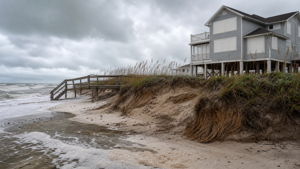 Coastal properties are subject to salt air corrosion, high winds, storm surge risk, and ongoing erosion. Florida’s Coastal Construction Control Line (CCCL) also regulates what can be built or modified along the الساحل to protect dunes, wildlife, and shoreline stability. These regulations directly impact how you maintain and improve the property.
Insurance is another major factor. Oceanfront homes often require more complex coverage due to wind, flood, and storm risk. Standard homeowners insurance policies do not cover flood damage, which means buyers typically need separate flood insurance. Elevation, roof condition, and storm protection features all influence insurability and cost.
In short, oceanfront living offers lifestyle and visual impact, but requires ongoing management of risks that are largely outside the owner’s control.
Lakefront Living in Central Florida: Flexibility and Control
Lakefront homes in Central Florida present a different ownership model. Instead of broad environmental exposure, lakefront value is driven by property-specific details.
Each lake, lot, and shoreline is unique. Factors such as water depth, frontage type, dock condition, elevation, and access determine how usable the property actually is. Two homes on the same lake can offer completely different experiences depending on whether they sit on open water, a canal, or a shallow shoreline.
 Central Florida is especially attractive for lakefront buyers because of its diverse water systems. The Butler Chain of Lakes, Harris Chain of Lakes, and Winter Haven Chain provide thousands of acres of interconnected waterways for boating, fishing, and recreation. However, not every lakefront property offers the same level of access or usability, and assumptions can lead to costly mistakes.
Lakefront ownership rewards buyers who carefully evaluate the specifics of each property rather than relying on the label alone.
Flood Zones and Insurance for Waterfront Homes
Insurance is where many waterfront transactions become more complex. While oceanfront properties typically carry higher exposure, lakefront homes are not without risk.
Flooding in lakefront properties can occur due to heavy rainfall, rising water levels, poor drainage, or low elevation. Florida law now requires sellers to disclose known flooding history and prior insurance claims, but buyers should still conduct independent due diligence.
Key factors to evaluate include:
-
FEMA flood zone designation
-
Finished-floor elevation
-
Drainage patterns on the lot
-
Historical lake levels and flooding events
-
Prior insurance claims, if available
Flood insurance is not included in standard homeowners policies, making it an essential consideration for both oceanfront and lakefront buyers.
Riparian Rights and Waterfront Property Ownership
A common misconception in Florida waterfront real estate is that owning a lakefront or oceanfront home means owning the water itself. In most cases, this is not true.
Property owners typically have riparian rights, which allow access to and reasonable use of the water, including boating and fishing. However, the water body itself is not privately owned.
This distinction becomes important when considering improvements such as docks, seawalls, dredging, or shoreline modifications. These activities may require permits or approvals from state or local agencies. Buyers should verify that existing structures are compliant and understand any restrictions before closing.
Lakefront Property Maintenance and Inspections
Maintenance expectations differ significantly between oceanfront and lakefront homes.
Oceanfront properties experience faster wear due to salt air and coastal exposure, leading to more frequent exterior maintenance. Lakefront properties, while less aggressive in terms of environmental wear, still require ongoing attention.
Important lakefront maintenance considerations include:
-
Dock and boat lift condition
-
Seawall or riprap stability
-
Shoreline vegetation management
-
Water depth and seasonal fluctuation
-
Electrical service to waterfront structures
A proper inspection should evaluate not just the home, but the entire waterfront system.
Wildlife and Living on the Water
Lakefront living in Florida includes regular interaction with wildlife. Birds, fish, turtles, and occasionally alligators are part of the natural environment.
While serious incidents are rare, basic precautions are recommended. Avoid feeding wildlife, keep pets away from the water’s edge, and remain aware of surroundings near freshwater shorelines. For most homeowners, this natural setting is part of what makes lakefront living appealing.
Lakefront vs Oceanfront: Which Is Better?
The decision between lakefront and oceanfront property depends on lifestyle, risk tolerance, and long-term goals.
Oceanfront homes are ideal for buyers seeking direct beach access, expansive views, and a coastal experience, with the understanding that insurance, maintenance, and regulatory factors will be more complex.
Lakefront homes, particularly in Central Florida, offer greater flexibility, a wider range of price points, and diverse recreational options such as boating, fishing, and chain-of-lakes access.
Ultimately, the best choice is the one that aligns with how you plan to use the property and how future buyers will perceive its value.
Waterfront real estate is never just about the view. It is the combination of location, land, water access, regulation, insurance, and maintenance that determines both enjoyment and long-term investment performance.