


Buying a home in Florida follows many of the same basic steps as buying anywhere else. You set a budget, find a property, negotiate a purchase, arrange financing, complete inspections and close. But Florida handles several important pieces of that process differently. The contracts are different. The inspection provisions can be more flexible than buyers expect. Insurance deserves far more attention than it usually gets, and closing costs are divided according to customs that can vary even between neighboring counties.
If you are relocating from another state, those differences can create real surprises. Even longtime Florida residents may find the process has changed since their last purchase. Understanding the sequence, and knowing which decisions carry financial consequences, makes the whole transaction easier to manage.
Step 1: Establish your budget before you look at homes
Start with what you can comfortably afford, not simply what a lender will approve. If you are financing, that means talking with a mortgage lender and getting a preapproval. The lender reviews your income, assets, credit and existing obligations to estimate what you may qualify to borrow.
A preapproval is not a final loan commitment. The lender still has to review the property, order an appraisal when required and complete underwriting.
Florida buyers also need to account for costs that may look different from their previous state. Homeowners insurance premiums can vary substantially based on the age of the home, roof condition, construction, location and available coverage. Flood insurance, HOA fees and property taxes can add considerably to the monthly cost.
I recommend getting preliminary insurance estimates before you make an offer, particularly on older homes. A property that looks affordable based on the mortgage payment alone can look very different once the full cost of ownership is on the table.
Cash buyers should do the same review. Eliminating the mortgage does not eliminate insurance, taxes, maintenance or the need for a reasonable reserve.
Step 2: Understand buyer representation
One of the biggest recent changes in residential real estate involves the agreement between a buyer and their agent. Beginning in August 2024, agents working with buyers under applicable Multiple Listing Service rules generally must have a written buyer agreement in place before touring homes together. That agreement sets out the relationship, the services provided, how long it lasts and how the buyer's brokerage will be compensated.
Real estate commissions are negotiable. They are not set by Florida law. A seller may agree to pay some or all of the buyer's brokerage compensation, but that is not automatic. Depending on the agreement and the negotiation, you may be responsible for some or all of the fee.
Before you sign anything, understand the duration, the cancellation terms, the compensation and whether the agreement covers one property or your entire search. If you are attending an open house on your own, you generally do not need to sign an agreement just to walk in.
A good buyer's agent should help you evaluate value, identify property concerns, structure the offer, coordinate inspections and keep track of every contractual deadline. The point of representation is not simply to find a house. It is to help you make informed decisions from start to finish.
Step 3: Find the right property and investigate its history
This is where buyers should look past square footage, finishes and photographs. Location, ownership costs, physical condition and potential restrictions deserve equal attention.
In Central Florida, I pay particular attention to roof age, air-conditioning systems, previous water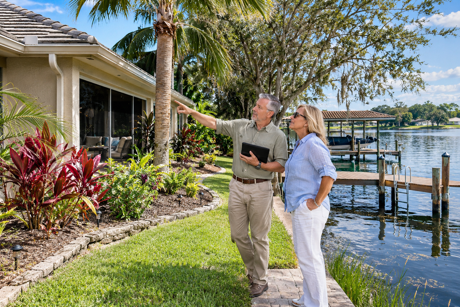 intrusion, drainage, additions and permit history. A recently remodeled home is not necessarily a home with recently updated major systems. New flooring and countertops can sit right next to an aging roof, outdated electrical equipment or plumbing that may concern an insurance company.
Find out whether the property belongs to a homeowners association. HOA rules can affect fencing, exterior changes, parking, rentals and other uses of the property. For waterfront homes, the investigation extends to dock permits, shoreline conditions, lake access and flood exposure.
Not every issue can be resolved during a showing. The goal at this stage is to identify the questions that will need answers before the purchase becomes final.
Step 4: Make an offer using a Florida purchase contract
Florida residential transactions commonly use contracts developed jointly by Florida Realtors and The Florida Bar. Two frequently used versions are the standard Residential Contract for Sale and Purchase and the "AS IS" Residential Contract. They are not interchangeable.
Under the standard contract, the seller may have specific repair obligations, subject to the terms and limits negotiated in the agreement. The "AS IS" contract generally does not obligate the seller to make repairs, but it gives the buyer an important inspection and cancellation right. If you determine during the inspection period that the property is unacceptable, you may cancel by delivering proper written notice before the deadline. If the cancellation complies with the contract, your deposit is returned.
The standard printed inspection period on the current form is 15 days if it is left blank, but the parties can negotiate a different period.
Never assume a Florida contract gives you the same protections you had in another state. The specific form, the negotiated terms, the contingencies and the deadlines determine your rights.
Step 5: Deliver the earnest money deposit
Once the seller accepts your offer and the contract becomes effective, you generally deliver an earnest money deposit. It shows your commitment and is typically held in escrow by a title company, law firm or brokerage, as the contract specifies.
The deposit is credited toward the funds you need at closing. It is not an extra charge on top of the purchase price. There is no universal deposit percentage in Florida. The amount and the payment deadlines are negotiated.
What matters is knowing when the deposit is protected and when it could be forfeited. A buyer who properly exercises an inspection or financing cancellation provision may be entitled to a refund. A buyer who misses a contractual obligation, or simply decides not to close after the protections have expired, may face financial consequences. Take the deadlines seriously. A missed deadline can change your options.
Step 6: Complete the home inspections
This is one of the most important stages of the Florida buying process, and it deserves more explanation than it usually gets.
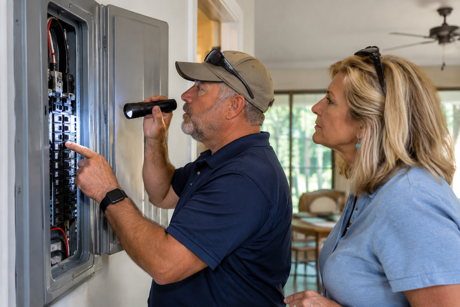 A home inspection is not an appraisal, and it is not a guarantee that the home is free of defects. A general home inspector evaluates the accessible, visible condition of major components, including the roof, structure, electrical, plumbing, heating and cooling, and appliances. You should receive a written report with photographs identifying observed defects, maintenance concerns and items that need further evaluation. Buyers usually select and pay for their own inspectors, and the inspections have to be arranged within the contractual period.
Florida also has several additional inspections worth understanding.
The four-point inspection
A four-point inspection looks at four major systems: the roof, electrical, plumbing, and heating and air conditioning. Insurance companies frequently ask for this report on older homes to decide whether the property meets their underwriting requirements. It is not a substitute for a full home inspection.
A four-point report can reveal conditions that keep an insurer from issuing coverage until repairs or replacements are done. That is a real problem if your lender requires acceptable insurance before closing.
The wind mitigation inspection
A wind mitigation inspection evaluates construction features that may reduce storm damage, such as roof shape, roof covering, roof-to-wall connections, roof decking attachment and protection of windows and exterior openings. Depending on the findings and the insurer, qualifying features may reduce the windstorm portion of your premium.
This inspection can have continuing financial value. Florida's Department of Financial Services identifies wind mitigation inspections as a way for policyholders to establish eligibility for applicable premium credits.
The termite or WDO inspection
Wood-destroying organisms are a real consideration in Florida's climate. A WDO inspection looks for evidence of termites, wood-destroying fungi and certain related conditions, and a licensed pest-control professional typically performs it. An ordinary home inspection does not necessarily include a WDO assessment.
Additional specialized inspections
Depending on the property's age, location and condition, you may also need a septic inspection, well-water testing, a pool inspection, a sewer-line camera inspection, a mold assessment, a roof evaluation or a structural engineer. None of these are automatically included in a general inspection.
When an inspector flags a concern, get additional evaluations or repair estimates before the inspection period expires whenever you can.
Step 7: Decide what to do with the inspection results
An inspection report is not just a list of repairs. It is information you can use to judge the property's condition and likely future expenses. Most previously occupied homes will have some defects. The important distinction is between routine maintenance and issues that could substantially affect safety, insurance eligibility or future ownership costs.
Under a Florida "AS IS" contract, you can request repairs, a price adjustment or a seller credit, but the seller generally is not obligated to agree. If negotiations fail, you may still be able to cancel during the inspection period, provided the contract's cancellation requirements are met. That is not the same as a general right to cancel any time before closing. Once the inspection period expires, your ability to terminate without consequences becomes much more limited.
One more Florida point: sellers generally have a duty to disclose known facts that materially affect a residential property's value and are not readily observable or already known to the buyer. An "AS IS" sale does not automatically eliminate that duty. Still, disclosure does not replace your own responsibility to investigate the property.
Step 8: Finalize financing, appraisal and insurance
While inspections are underway, your lender keeps processing the loan. Expect requests for updated financial statements, employment verification or explanations of deposits. An appraisal may also be ordered to help the lender decide whether the property supports the loan amount.
If the appraisal comes in below the purchase price, the buyer and seller may need to negotiate, the buyer may need additional cash, or the transaction may be affected by the contract's financing and appraisal provisions. The inspection and the appraisal serve different purposes. The inspection evaluates condition. The appraisal primarily addresses value for lending purposes.
Finalize insurance during this stage, not in the last few days before closing. Confirm that suitable coverage is available at an acceptable cost and that the insurer will accept the property's condition. If the home has flood exposure, look into flood insurance requirements and premiums. A home outside a FEMA high-risk flood zone is not necessarily immune from flooding. These details can materially affect both your financing and your long-term cost of ownership.
Step 9: Review the title, survey and closing arrangements
Florida closings are commonly coordinated by title companies and real estate attorneys. Unlike states where an attorney is routinely required to conduct the closing, many Florida transactions are handled by title companies, though buyers and sellers can still hire their own attorneys for legal advice.
The closing professional examines the ownership records for liens, judgments, mortgages, easements and other issues affecting title. Title insurance protects against certain covered title defects, subject to the policy's terms and exclusions.
A survey matters just as much. It shows property boundaries, improvements and certain encroachments or easements. On a typical lot, it might reveal a fence or shed over the line. On waterfront property, shoreline boundaries and improvements can be more complicated.
Who pays for title insurance in Florida?
This is one of the customs that surprises relocating buyers. The owner's title insurance policy is often paid by the seller in many Florida counties, while buyer-paid policies are customary in others. Who pays can also influence the choice of closing agent.
There is no single statewide custom. The purchase contract controls how costs are allocated, so get those details settled before you sign instead of assuming the seller will pay because that is how it worked in your previous state.
Step 10: Understand Florida closing costs and property taxes
The real cost of buying includes more than the down payment. Florida transactions may involve lender fees, appraisal charges, title services, title insurance, recording charges, a survey, prepaid insurance, escrow reserves and taxes on recorded documents.
Florida imposes documentary stamp taxes on real estate transfers and certain financing documents. Outside Miami-Dade County, the documentary stamp tax on deeds is generally $0.70 per $100, or portion thereof, of taxable consideration. The seller customarily pays the deed tax in many Florida residential transactions, although the contract controls the agreed allocation. Buyers who get a mortgage may also see documentary stamp taxes on the note and a nonrecurring intangible tax on the mortgage.
Why the seller's property tax bill can be misleading
One of the most important financial issues is the property's future tax assessment. Florida's homestead exemption and Save Our Homes assessment limitation can provide substantial tax benefits to qualifying permanent residents. But those benefits may have built up over many years of ownership.
When the property changes hands, the assessed value can reset under Florida law. Your future property taxes may be considerably higher than the seller's current bill. Eligible buyers establishing a Florida primary residence can apply for the homestead exemption, and existing Florida homeowners may be able to transfer certain accumulated Save Our Homes benefits through portability.
For an accurate ownership budget, estimate taxes based on the expected post-purchase assessment, not the figure shown on the listing.
Step 11: Review HOA or condominium documents
If the property belongs to an HOA or condominium, read the governing documents and financial obligations before you complete the purchase. Monthly or quarterly dues are only part of the picture. Rules on pets, parking, exterior improvements, rentals and architectural changes can shape how you are able to use the property.
Condominium buyers should pay particular attention to budgets, reserves, pending special assessments and applicable structural inspection reports. Florida has strengthened condominium inspection and reserve requirements in recent years, and certain multistory buildings are subject to milestone inspections and structural integrity reserve studies. Those requirements can affect future assessments and ownership costs.
Condominium purchases also carry their own cancellation rights, which can differ from the inspection provisions in an ordinary single-family contract. Review the required documents carefully.
Step 12: Complete the final walk-through and closing
Shortly before closing, you generally get a chance to walk through the property. The purpose is to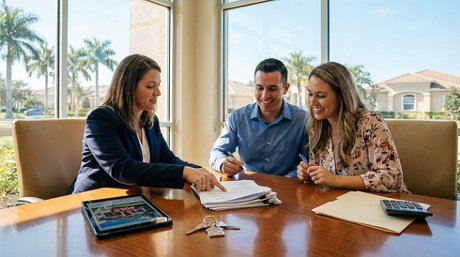 confirm the seller has maintained the home as the contract requires, that any agreed repairs are done and that included appliances and fixtures are still there. The walk-through is not a substitute for your original inspection. It is a final check before ownership transfers.
At closing you review and sign the documents, deliver the required funds through verified closing instructions and complete any remaining lender requirements. The closing agent coordinates payoff of existing mortgages and other obligations, handles the transfer documents and arranges recording.
Verify wiring instructions yourself using a trusted telephone number. Fraudulent messages that change payment instructions are a recognized risk in real estate transactions.
Once the documents are complete and funds are disbursed, you receive possession according to the contract. The purchase is done, but the responsibilities of ownership are just beginning.
A final perspective
Florida is not necessarily harder to buy in than any other state. It does require attention to some different details. Insurance eligibility matters. Inspection deadlines matter. The language of the purchase contract matters. And property tax reassessment can make a significant difference in your monthly budget.
For buyers relocating to Central Florida, understanding these issues before making an offer can prevent a lot of unnecessary surprises. I have always believed the best real estate decisions come from knowing what you are buying, understanding what it will cost to own and recognizing potential problems while there is still time to address them.
A successful purchase is not simply getting to closing. It is arriving there with a clear understanding of the property and the obligations that come with it.
If you are considering buying a home in Central Florida, whether this year or further down the road, schedule a conversation at talkwithvince.com or call me at 863-398-6243. We can walk through the process and evaluate your options together.
This article is for general educational purposes only. Contract terms, deadlines, taxes, insurance requirements and local customs vary by property, county and transaction. Buyers should review their individual circumstances with a Florida real estate attorney, licensed insurance professional or tax advisor as appropriate.